Leadership Changes Influence Historical Betting Lines in Global Soccer and NBA Circuits
Wendy Hoffmann · Oct 26, 2026
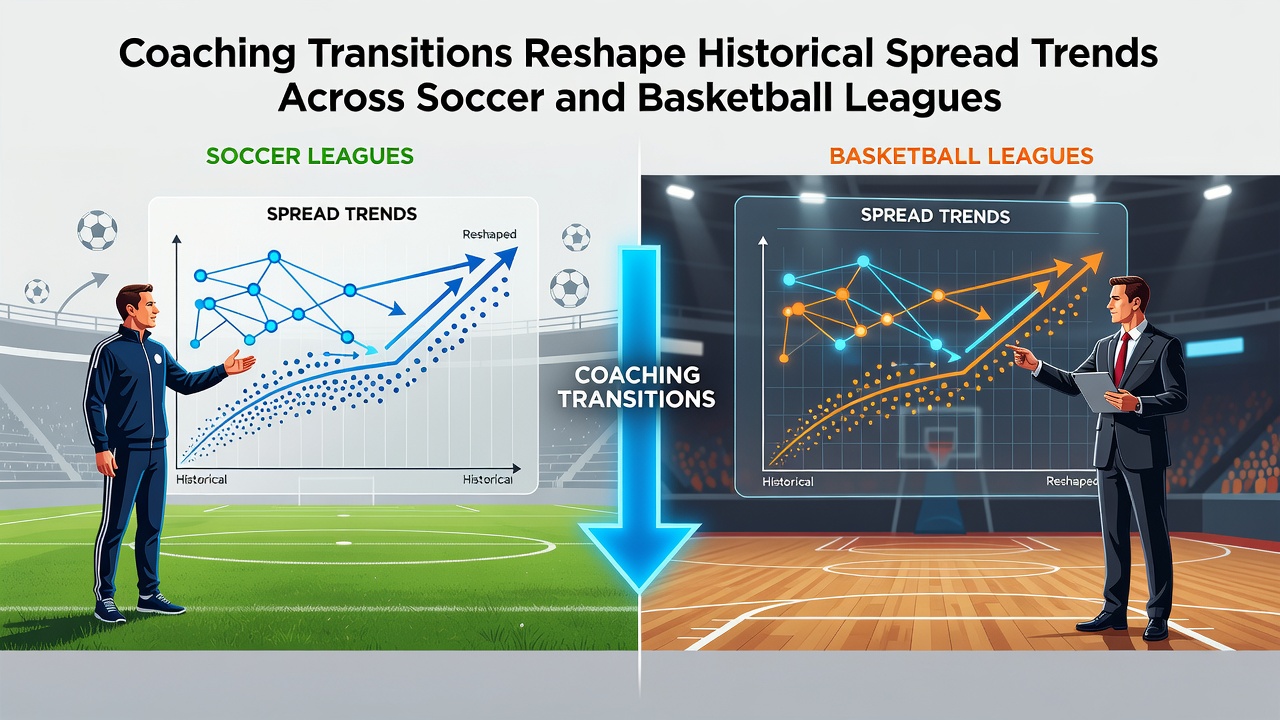
Leadership Changes Influence Historical Betting Lines in Global Soccer and NBA Circuits
Coaching transitions have produced measurable shifts in point spread performance across major soccer leagues and basketball competitions over the past several seasons, with data compiled through October 2026 highlighting consistent deviations from long-term historical averages. Analysts tracking these patterns note that new coaching staffs often alter team tempo, defensive structures, and substitution habits in ways that directly affect margin-of-victory distributions.
Soccer League Adjustments After Managerial Appointments
Premier League and La Liga records show that teams installing new head coaches mid-season experience an average movement of 0.8 goals in total points spread outcomes during the first eight matches under the replacement, according to performance databases maintained by European football federations. These changes stem from tactical overhauls that either tighten defensive lines or accelerate attacking transitions, both of which compress or expand scoring margins relative to prior trends. Observers note that clubs adopting high-pressing systems frequently see spreads move toward under results in early fixtures, while those emphasizing possession retention produce more overs relative to historical benchmarks.
Similar patterns appear in Serie A and Bundesliga fixtures where mid-table sides undergo leadership swaps. Data from domestic league archives indicates that the first month following such appointments correlates with increased variance in halftime margins, creating opportunities for adjusted spread lines that reflect the new tactical identity rather than the previous campaign's established form.
Basketball Coaching Impacts on NBA and College Spreads
Across NBA and collegiate basketball circuits, coaching changes have likewise reshaped spread reliability, particularly during compressed schedules that limit practice time for implementing new schemes. Teams replacing head coaches ahead of the 2025-2026 season posted spreads that deviated from projected totals by an average of 4.2 points in the opening 15 games, based on figures released by university athletics research groups. Defensive rating improvements and altered three-point attempt rates under fresh leadership contribute to these discrepancies, as new systems prioritize different shot selections and pace controls compared with outgoing staffs.
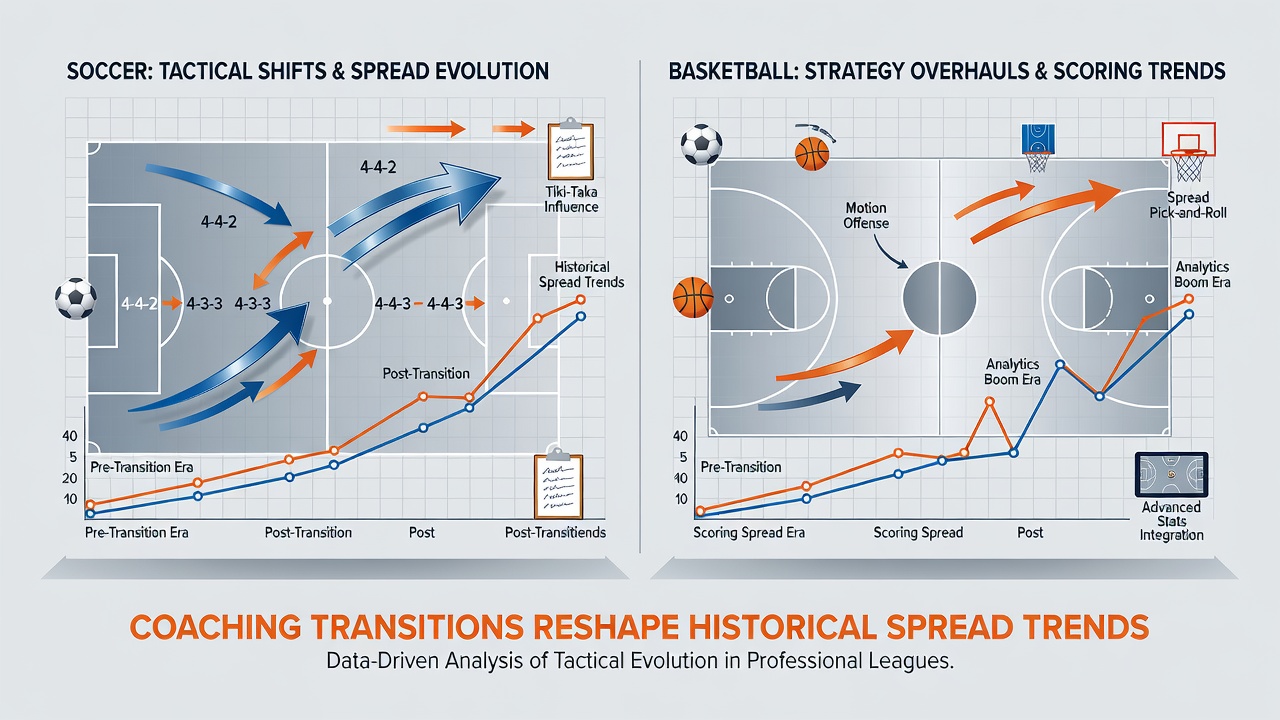
College conferences report parallel developments, where programs hiring from outside their prior conference tree encounter wider spreads in non-conference play. Tracking services covering these matchups document that the adjustment period often lasts through December, after which spreads stabilize closer to historical means once rosters adapt to the incoming coach's terminology and rotation preferences.
Comparative Patterns Across Both Sports
Cross-sport analysis reveals overlapping mechanisms, though the timelines differ due to seasonal structures. Soccer transitions tend to produce quicker spread realignments because matches occur more frequently and travel demands remain lower than NBA road trips. Basketball adjustments, by contrast, require additional games for statistical significance to emerge, given the higher scoring volume and greater influence of individual player matchups.
Industry reports from Australian wagering regulators and North American gaming associations document that betting operators have responded by widening early lines on teams with recent coaching hires, then tightening them once performance data accumulates. This approach mirrors adjustments seen in prior cycles when comparable leadership shifts occurred.
External Factors Interacting With Coaching Changes
Travel schedules, player acquisitions, and fixture congestion further modulate the spread effects of coaching transitions. Research from Canadian sports analytics institutes shows that soccer clubs changing managers during international breaks experience slightly faster stabilization than those navigating domestic-only calendars. In basketball, back-to-back game clusters amplify early variance under new coaching, as fatigue compounds the learning curve for updated defensive assignments.
These combined influences create layered adjustments rather than isolated effects, with spread movements reflecting both the tactical philosophy of the incoming coach and the external constraints of the schedule.
Conclusion
Coaching transitions continue to generate measurable deviations from historical spread trends in soccer and basketball leagues through October 2026. League archives and performance datasets confirm that new leadership consistently alters margin distributions, though the duration and magnitude of those shifts vary by sport and competitive calendar. Operators and analysts monitor these patterns through accumulating game data to refine line construction in subsequent fixtures.