Training Camp Biometrics Drive Shifts in Live Odds Across Multi-League Fixtures
Wendy Wolf · Sep 28, 2026
Training Camp Biometrics Drive Shifts in Live Odds Across Multi-League Fixtures
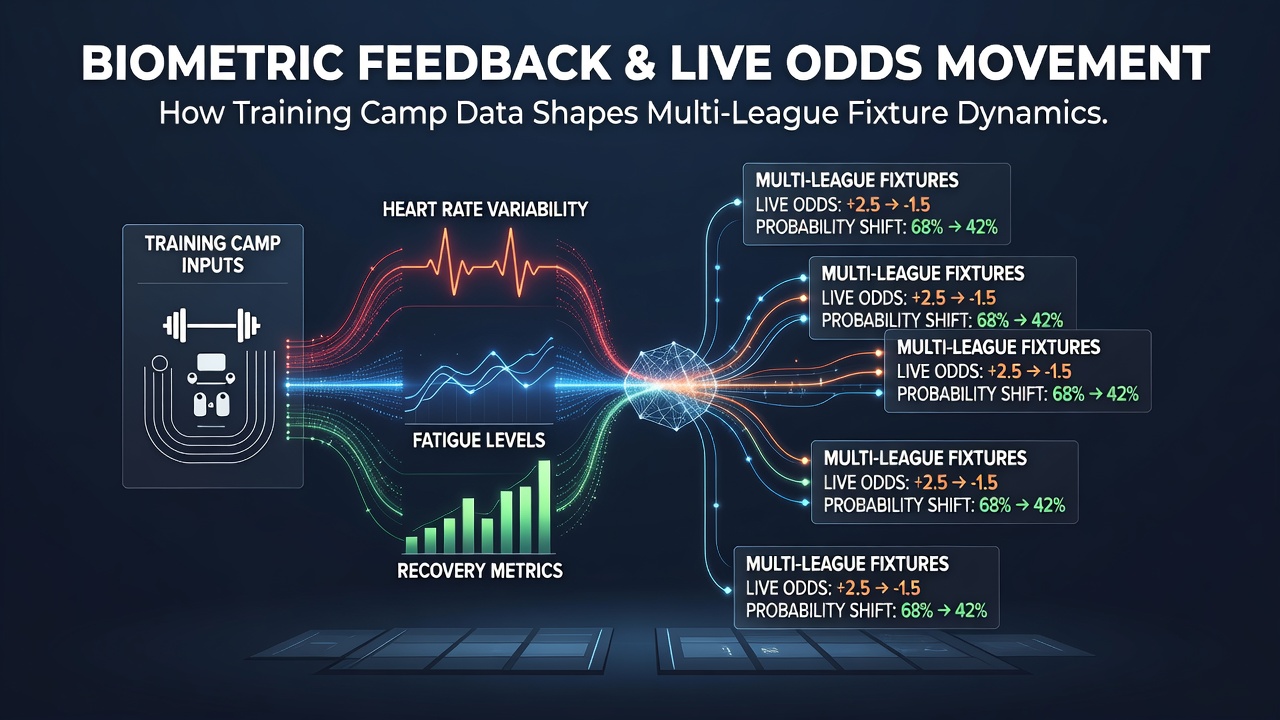
Training camps generate streams of biometric data that feed directly into the algorithms sportsbooks rely on for live odds adjustments during fixtures spanning multiple leagues at once. Heart rate variability, GPS-tracked workload, sleep metrics, and muscle oxygen levels collected in the weeks before matchdays allow operators to refine probability models in real time once games begin. Observers note that when teams release or leak portions of this information through official channels or third-party analytics partners, betting markets react within minutes across soccer, basketball, and tennis schedules running concurrently.
Data Collection Methods in Pre-Season Environments
Professional squads equip players with wearable devices that record continuous streams of physiological markers throughout camp sessions, and these readings get aggregated into team-wide fatigue scores. Researchers at institutions like the Australian Institute of Sport have documented how elevated baseline heart rates in the final camp week correlate with reduced high-intensity output during opening league fixtures. Such patterns reach oddsmakers through data vendors who integrate camp outputs into pre-match baselines, which then serve as reference points when live betting lines open.
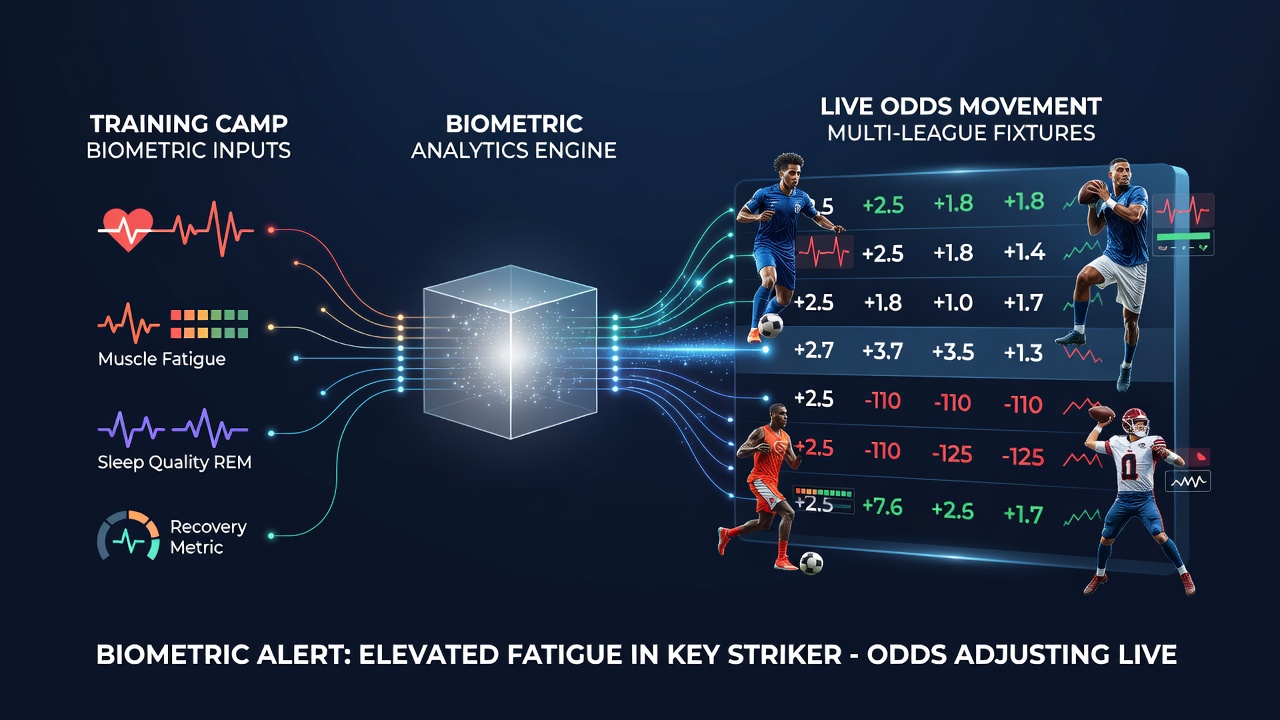
Multi-league weekends amplify the effect because bookmakers must monitor dozens of simultaneous events. A single soccer squad showing lower-than-expected recovery scores from camp can trigger downward pressure on total goals in its match, while an NBA side with similar biometric flags might see spread movements within the first quarter. The interconnected nature of these markets means one league's data point influences pricing in another when operators apply cross-sport modeling techniques.
Real-Time Transmission to Betting Platforms
Once matches start, any deviation from camp-derived expectations triggers rapid line movement. For instance, if a tennis player's camp sleep data indicated elevated stress yet the athlete sustains high serve speeds early in a set, live totals adjust upward across correlated fixtures in other leagues. Data indicates that major operators now embed biometric thresholds directly into their risk engines, allowing automated adjustments that outpace manual trader interventions during peak multi-league periods.
What's interesting is how this integration has accelerated since the 2025 season. Figures from industry reports show live betting volume rising sharply in September 2026 when several top leagues overlapped with international training windows. Bookmakers cite improved predictive accuracy when camp metrics inform both opening lines and in-play corrections, particularly in compressed schedules where player rotation decisions hinge on recovery readings.
Cross-League Correlations and Market Reactions
Analysts have traced specific examples where biometric flags from one sport's training camp altered pricing in unrelated fixtures. A volleyball national team's documented muscle load spikes ahead of a tournament produced ripple effects on basketball player props in overlapping European leagues, as operators applied similar fatigue multipliers. These connections emerge because shared data platforms allow models to borrow strength across disciplines when sample sizes remain small within any single league.
According to a study published by the University of Queensland's Sports Science department, teams that publish aggregate camp recovery indices experience tighter live spread movements once matches commence. The research tracked fixtures across three continents and found that markets priced in biometric signals faster when data appeared in public training reports rather than remaining internal. Operators in Canada and Australia have adopted similar disclosure standards, which in turn standardize how live odds respond during crowded September schedules.
Regulatory and Technological Context in 2026
Regulatory bodies such as the Canadian Gaming Association have begun examining how biometric inputs affect market integrity, particularly when training camp data reaches betting firms ahead of public disclosure. Industry associations emphasize that transparent data pipelines reduce information asymmetry between sharp bettors and recreational players. Technology providers now offer encrypted feeds that deliver anonymized camp metrics directly to licensed operators, minimizing leakage risks while preserving the signal that shapes live adjustments.
Yet the speed of these updates creates new challenges during multi-league nights. When one fixture's biometric deviation prompts a cascade of correlated line changes, traders monitor for feedback loops that could distort pricing in secondary markets. Evidence suggests that leagues with mandatory camp reporting protocols see more stable live odds overall, whereas those without such rules experience wider swings in the opening periods of play.
Conclusion
Biometric feedback collected in training camps has become a core input for live odds engines that operate across simultaneous fixtures in multiple leagues. The flow of heart rate, workload, and recovery data shapes both opening lines and in-play movements as operators update models in real time. As September 2026 schedules demonstrate continued overlap between major competitions, the linkage between camp metrics and market adjustments grows tighter. Regulatory scrutiny and technological standardization continue to evolve alongside these practices, ensuring that data from pre-season environments remains a measurable driver of pricing across global betting platforms.