Travel Fatigue in Multi-City Tours Shifts Underdog Dynamics Across International Basketball and Soccer
Wendy Hoffmann · Nov 9, 2026
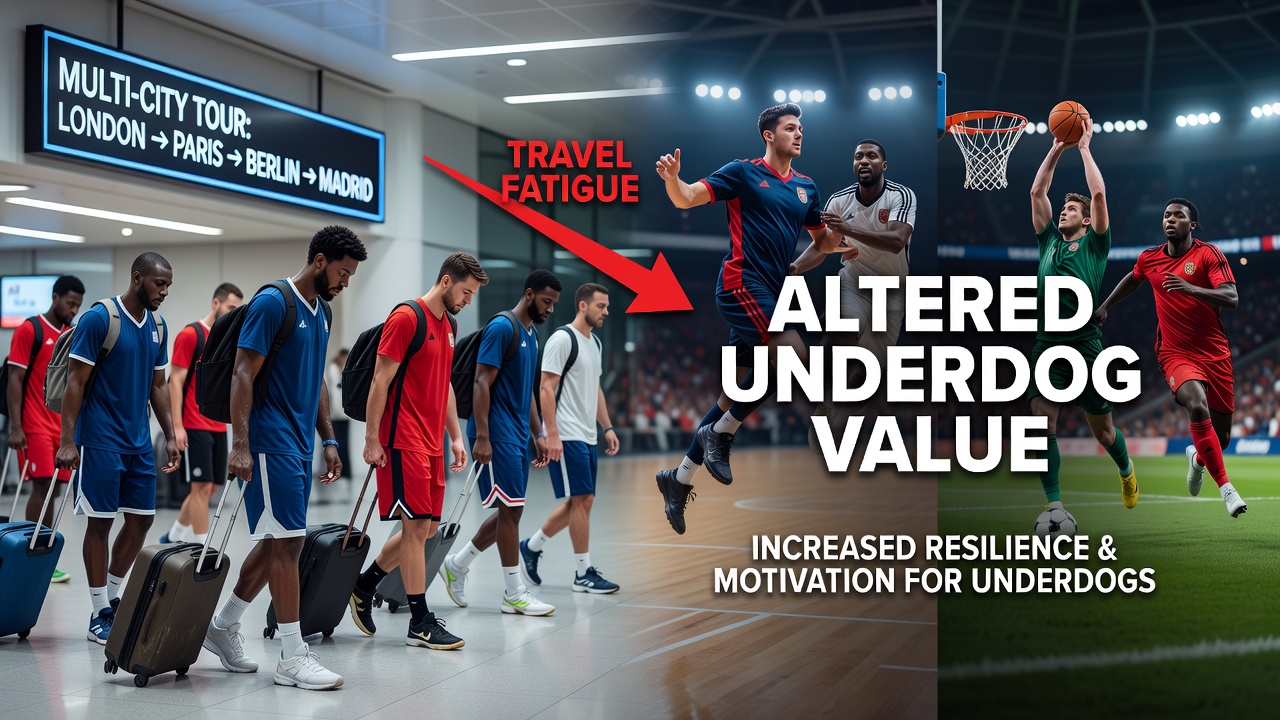
Travel Fatigue in Multi-City Tours Shifts Underdog Dynamics Across International Basketball and Soccer
Understanding Travel Demands in Global Competitions
International basketball and soccer schedules often pack multiple cities into short windows, which creates cumulative strain from flights, time zone shifts, and disrupted recovery cycles, and researchers tracking performance metrics have documented measurable drops in speed, decision-making accuracy, and defensive positioning when teams cross continents repeatedly. Data from multi-event tournaments shows that squads logging over 15 hours of air travel in a seven-day span experience elevated injury rates in subsequent matches, while opponents with shorter itineraries maintain higher possession retention and shooting percentages. Observers note that these patterns hold across both sports even though basketball features more games per week and soccer emphasizes endurance over five or six matches in quick succession.
Studies compiled by the Australian Institute of Sport reveal consistent patterns where visiting underdogs who arrive with less cumulative travel time outperform expectations against heavily favored sides that have just completed long-haul segments. The same reports indicate that point differentials narrow when the favorite has crossed multiple time zones within 48 hours of tip-off or kickoff, creating measurable adjustments in pre-match line movements tracked by major sportsbooks.
Performance Metrics in Basketball Tours
Basketball teams in events such as FIBA qualifiers or continental club competitions frequently move between three or four venues in ten days, and physiological data collected during these windows shows elevated cortisol levels alongside reduced sleep efficiency that correlates with lower three-point conversion rates and increased turnovers in the second half of games. Teams arriving after transcontinental flights post lower assist-to-turnover ratios in the opening quarter, yet the effect compounds for squads that play back-to-back nights without full rest cycles. Analysts examining box scores from November 2026 tournaments found that underdogs facing jet-lagged favorites covered spreads at higher rates when the favorite had logged flights exceeding eight hours in the prior 72 hours.
Case examples from recent Asian and European club tours illustrate how bench production changes under fatigue, with starters logging fewer minutes at peak efficiency and role players stepping into larger statistical contributions. These shifts alter the perceived value of underdogs in betting markets because raw talent rankings do not always account for the recovery deficit accumulated across a compressed schedule.
Soccer Matchups and Recovery Windows
Soccer calendars that string together matches in different cities produce similar fatigue signatures, though the sport's emphasis on continuous movement amplifies the impact on high-intensity running distance and sprint recovery. GPS tracking from professional leagues shows that players covering inter-city routes greater than 1,000 kilometers between fixtures record 12 to 18 percent fewer accelerations in the following match, and teams with shorter recovery intervals concede more set-piece goals in the final 30 minutes. Research published by the German Sport University Cologne links these decrements directly to sleep disruption rather than simple travel duration, noting that eastward travel produces stronger negative effects than westward routes due to circadian misalignment.
Underdog sides that enter such fixtures with an extra day of acclimatization have posted improved results in both domestic cup ties and international friendlies, particularly when the favored opponent must manage a midweek long-haul flight. League data from South American confederation events confirms that these margins widen during November windows when multiple national teams converge on neutral venues after separate continental tours.
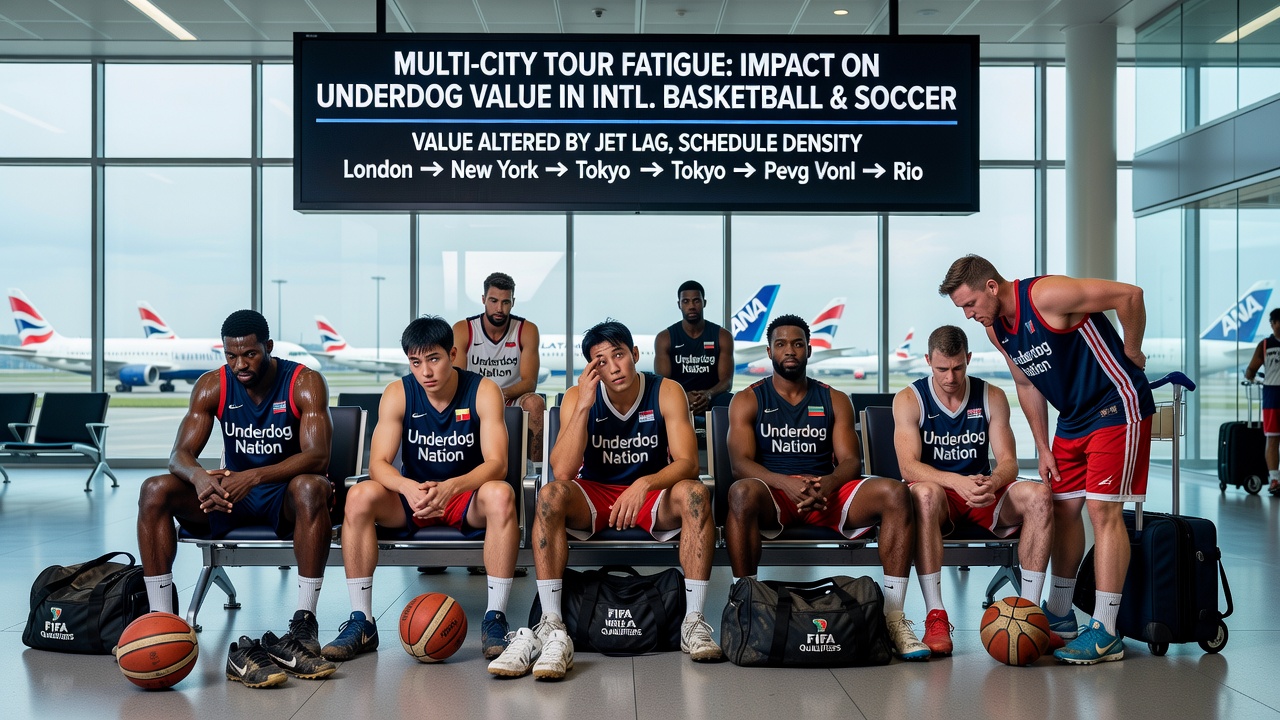
Market Adjustments and Underdog Pricing
Betting operators adjust point spreads and totals when travel schedules become public, yet historical lines from international events demonstrate that underdogs receive inflated value in the days immediately following a favorite's long-haul segment. Figures from Canadian regulatory summaries on sports wagering show increased handle on underdog moneyline bets during periods of known fatigue mismatches, while European industry reports track corresponding movements in live betting volumes as in-game performance data confirms early deficits for the more traveled side. These adjustments occur because quantitative models now incorporate flight logs alongside traditional strength ratings, producing more precise probabilities that reflect real recovery deficits rather than nominal rankings.
November 2026 schedules for overlapping basketball and soccer events provide fresh datasets, because several high-profile squads will navigate dense routing across North American and European cities within the same fortnight. Tracking organizations that monitor roster movements have already flagged multiple fixtures where the favorite's cumulative air time exceeds that of the underdog by more than 20 hours, setting up conditions where historical patterns predict elevated underdog cover rates.
Conclusion
Travel fatigue from multi-city tours produces measurable effects on player output that shift underdog viability in both international basketball and soccer, and performance datasets continue to refine how those effects translate into adjusted probabilities. As scheduling density increases and tracking technology improves, the relationship between itinerary length and competitive edge becomes more quantifiable across competitions worldwide.